
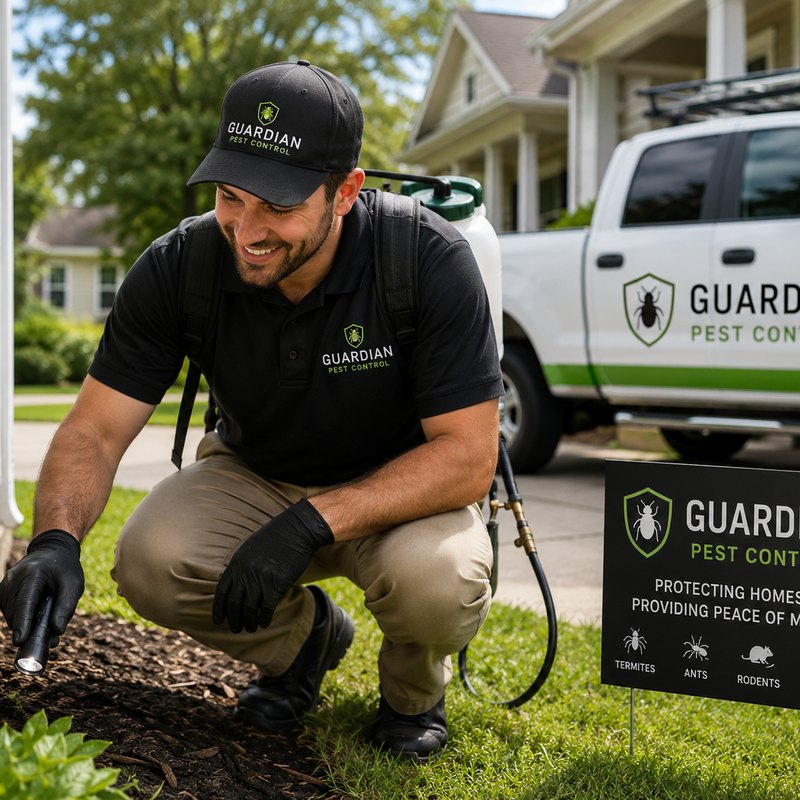
The short answer: Buy a pest control company on its recurring service routes, not one-time jobs. Expect ~2.35× SDE (a 2.34×, 2.90× band for small operators; larger recurring books reach 7×, 12× EBITDA), ~10% down with an SBA 7(a) loan, and a firm plan for applicator licensing, you can own the company as a non-applicator, but a certified applicator must be on staff. Diligence the recurring base and any termite/WDO warranty liability.
Why pest control is a buyer's favorite
The economics are unusually good. Service is recurring by design, quarterly and monthly plans renew automatically, so a healthy company knows most of next year's revenue today. Overhead is low: trucks, chemicals, and technicians, no big real estate footprint. Margins run 15%, 25% EBITDA, and small owner-operator routes can return an even larger share to the owner. Add private-equity consolidators paying premium multiples for recurring bases, and you have a business that's both profitable to run and liquid to eventually sell.
You're buying a subscription business that happens to wear a respirator. The value is the recurring route.
Licensing: the applicator requirement
Pest control is regulated at both the federal and state level, and this shapes how you buy:
- EPA certified applicator, federal law requires certification (commercial applicator category) to apply restricted-use pesticides for hire, layered on top of state rules.
- State commercial pesticide business license, the company must hold a business license, typically with a certified applicator or "qualifying party" named for the categories it services.
- Category endorsements, general household/structural, termite / wood-destroying organisms (WDO), fumigation, and lawn/ornamental are usually separate certifications with their own exams and experience requirements.
- Experience prerequisites, many states require ~1 year of documented application experience before an individual can sit for certification.
You don't have to be the applicator
A non-applicator can own the business, but you must employ or retain a certified applicator as the qualifying party. Retaining the seller through a transition, or promoting a tenured lead technician, is the standard fix, put it in the purchase agreement.
What pest control companies cost
| Metric | Range | Anchor |
|---|---|---|
| SDE multiple (small owner-operator) | 2.34×, 2.90× | ~2.35× |
| EBITDA multiple (larger operators) | 3.0×, 12.0× | PE roll-up premium |
| EBITDA margin | 15%, 25% | ~20% |
| SBA down payment | 10% | 10% |
Small deals anchor near 2.35× SDE. The eye-catching 7×, 12× numbers apply to larger, recurring-heavy operators bought by consolidators, a useful signal for your eventual exit, not your entry price. Industry data showed pest control multiples rising ~0.5× year over year on that PE demand. See live comps on the pest control multiples page and price a target with the valuation calculator.
Value a pest control company fast
Enter revenue, SDE, and a multiple, get a defensible range.
Diligence unique to pest control
- Recurring vs. one-time mix. Separate contracted route revenue from one-off treatments. The recurring base is what earns the multiple; a company that leans on one-time jobs prices lower.
- Route density and retention. Tight, dense routes are efficient and profitable; scattered accounts burn fuel and hours. Ask for cancellation rates and average customer tenure.
- Termite / WDO warranty liability. Termite bonds and re-treatment warranties are long-tail obligations. Quantify outstanding warranties, claim history, and whether they transfer to you.
- Chemical & regulatory compliance. Review pesticide records, storage compliance, applicator records, and any state enforcement history, violations follow the business.
- Fleet and equipment condition. Trucks and spray rigs are real capex; check age and maintenance.
Termite warranties are a long-tail risk
A termite re-treatment or damage bond can obligate you years after a treatment. Get the full outstanding-warranty schedule and claims history, and price or indemnify for it, don't inherit an unbounded liability.
Deal structure & financing
Structure to keep the license and the customers intact: retain a certified applicator (often the seller) through the transition, use a seller note to keep the seller invested, and consider a holdback tied to route retention. On financing, recurring routes and strong margins make pest control a strong SBA 7(a) candidate, plan for ~10% down, a 1.15×, 1.25× DSCR, and a seller note in the stack. Model it in the valuation calculator.
Go deeper on the numbers
See how much pest control owners make and what it costs to buy one, with worked math.
Frequently asked questions
To apply pesticides for hire you must be a certified applicator (federal EPA rules plus your state), and the company needs a commercial pesticide business license with a certified applicator on staff. A non-applicator can own the business but must employ or retain a licensed applicator, so retaining the seller or a lead tech is common.
Small owner-operated companies trade at roughly 2.35× SDE (a 2.34×, 2.90× band). Larger recurring-heavy operators attract PE roll-ups and can reach 7×, 12× EBITDA, which is why multiples rose ~0.5× year over year.
Recurring routes. Quarterly and monthly plans create predictable, high-retention revenue with strong 15%, 25% EBITDA margins and low overhead. PE consolidators pay up for that recurring base.
Yes, recurring routes and healthy margins make it a strong SBA 7(a) candidate. Expect ~10% down, a 1.15×, 1.25× DSCR, and often a seller note. Confirm the license transition, since states and lenders both want a certified applicator in place at close.
Sources
- Pest control multiples & benchmarks, BizBuySell Valuation Benchmarks; Peak Business Valuation (2025).
- Margins & owner earnings, FieldRoutes profitability data (2025).
- Applicator certification & business licensing, EPA/state licensing overview; state departments of agriculture.